About à¤à¤à¤¡à¤¸à¥à¤à¥à¤°à¤¿à¤¯à¤² बà¥à¤²à¥à¤à¥à¤¸ à¤à¤à¤¡ पà¥à¤²à¥à¤à¥à¤¸ सरफà¥à¤¸ à¤à¥à¤°à¤¾à¤à¤à¤¡à¤¿à¤à¤ सरà¥à¤µà¤¿à¤¸à¥à¤
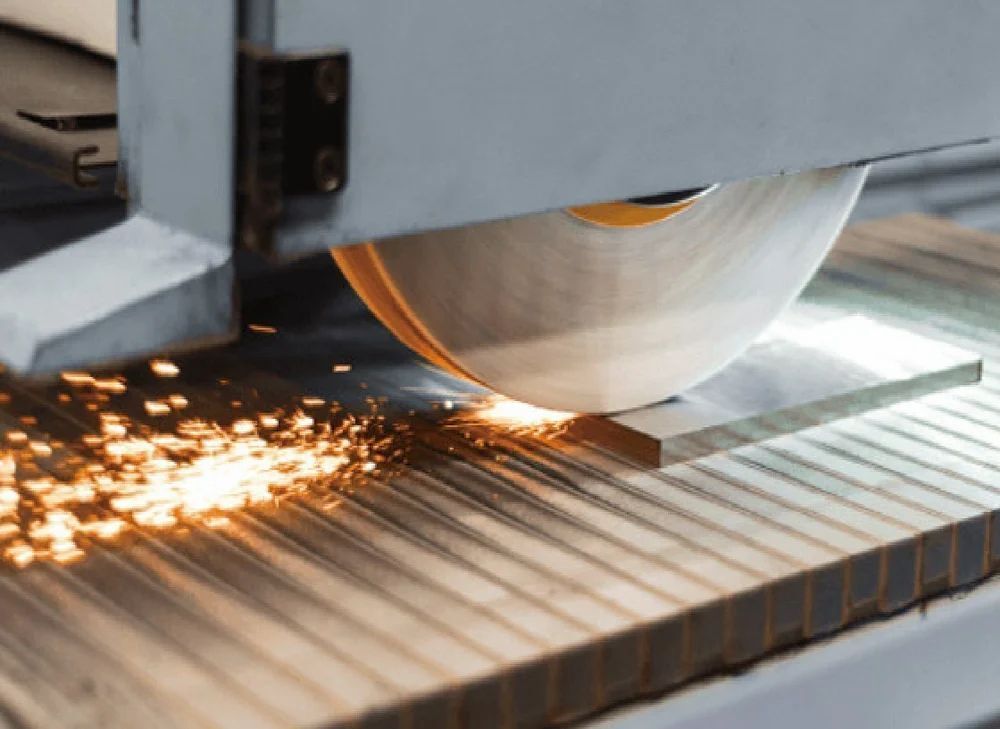
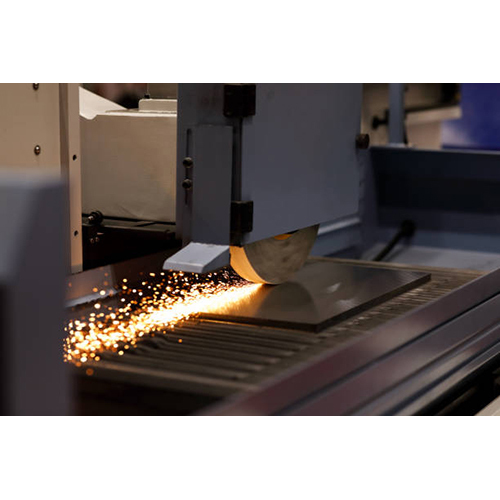
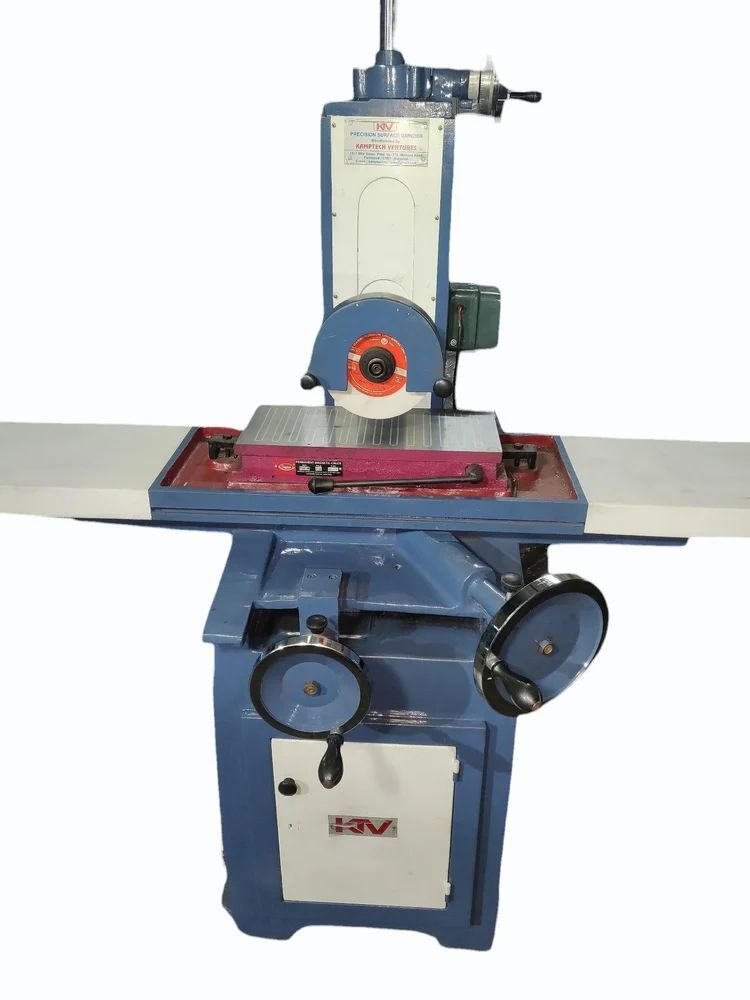
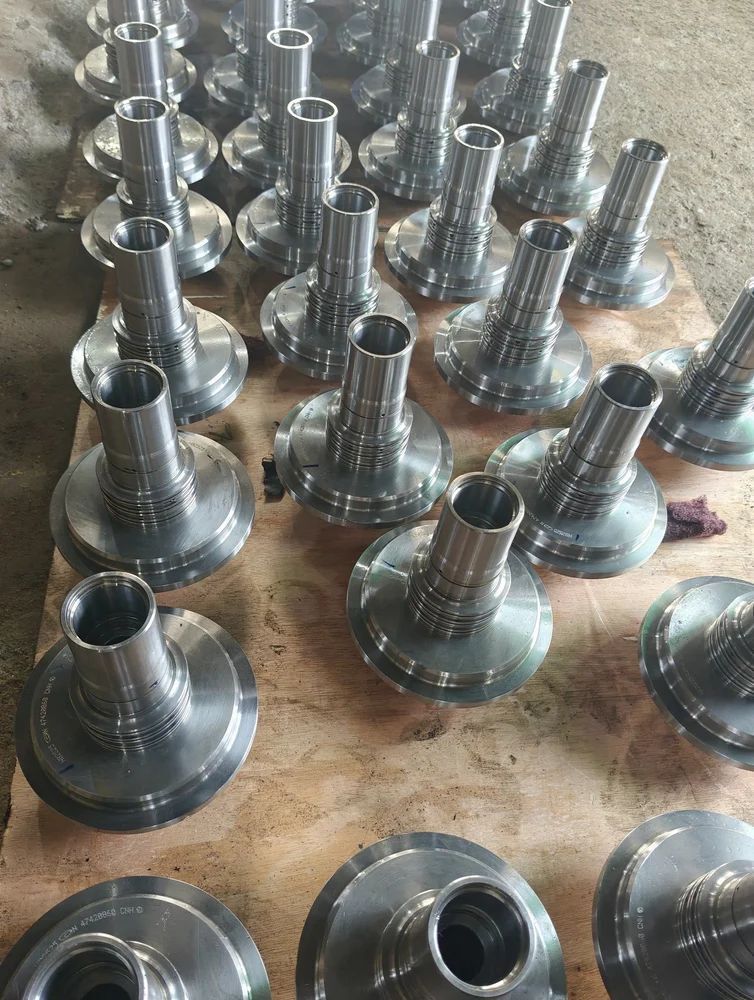
Surface grinding services for industrial blocks and plates involve using abrasive wheels to precisely remove material from the surface, creating a smooth, flat, and accurate finish. This process is crucial for achieving tight tolerances, enhancing performance, and ensuring dimensional accuracy in various industrial components. Surface grinding is commonly employed in toolrooms, automotive, aerospace, and manufacturing sectors to refine hardened steel parts, plates, and other flat surfaces.
Precision Machining:
Surface grinding is a precision machining process that aims to remove material and achieve a desired surface finish on blocks and plates.
Material Removal:
Abrasive wheels or belts are used to remove material, eliminating imperfections and achieving a flat, smooth surface.
-
Surface Finish Enhancement:
-
The process improves surface flatness, reduces roughness, and eliminates imperfections, resulting in a smooth and refined finish
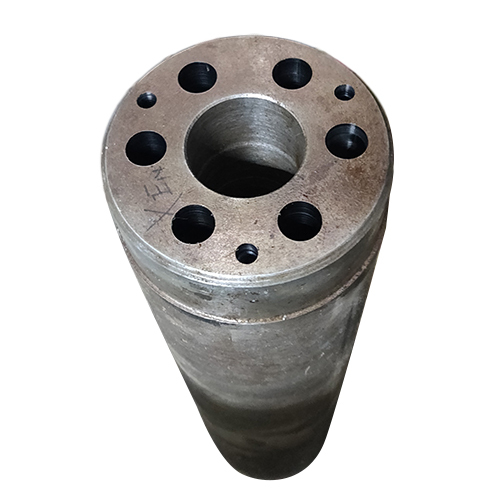
Industrial blocks and plates surface grinding services involve precision grinding to achieve a smooth, flat surface on various materials, including metals and concrete. This process is crucial for parts requiring precise flatness, such as plates, blocks, and other components.
Surface Grinding Techniques:
- Vertical Surface Grinding: Utilizes a vertical spindle to grind workpieces, ideal for precise flat surfaces.
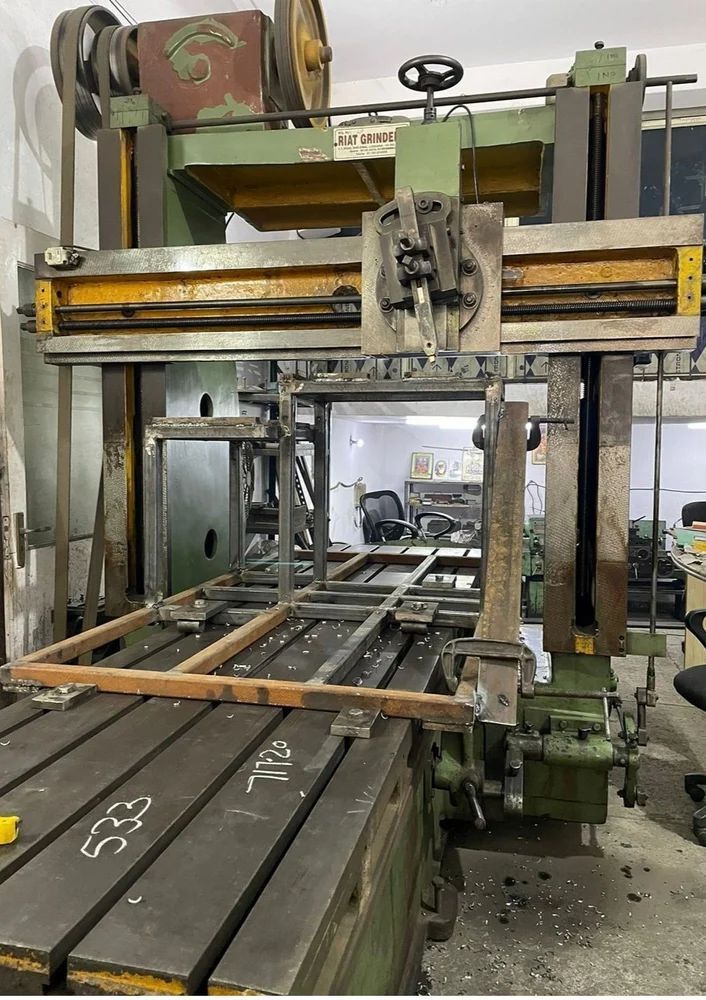
- Horizontal Surface Grinding: Suitable for large, flat surfaces, providing rapid material removal.
- CNC Surface Grinding: Offers high precision and accuracy for complex surfaces.
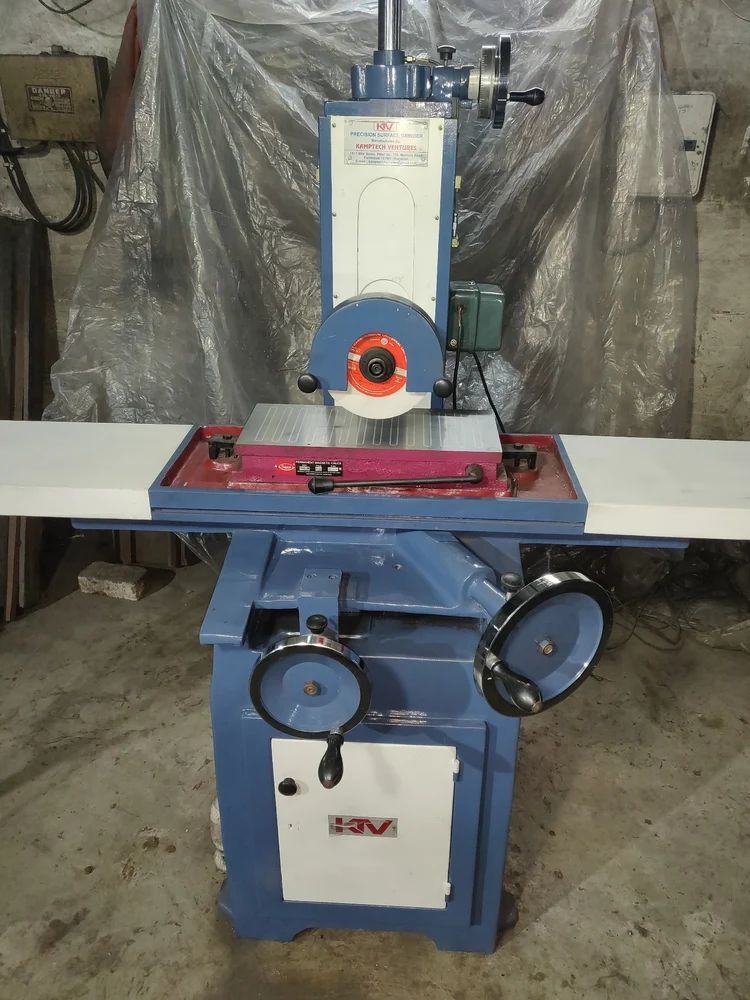
- Manual Surface Grinding: Ideal for small-scale projects and general applications
- Blanchard Grinding: Efficiently removes material from large, flat surfaces, producing uniform finishes
Benefits of Surface Grinding:
- Enhanced Surface Finish: Achieves tight tolerances and fine finishes.
- Improved Tolerance: Ensures precise dimensional accuracy.
- Increased Durability: Enhances material durability through precise surface treatment.
- Cost Efficiency: Reduces material waste and processing time.
- Versatile Applications: Suitable for various industries, including aerospace, automotive, and construction
Pricing and सेवाएं
Industries Served
- Manufacturing Industry
- Automotive Sect
- Aerospace Engineering
- Tool and Die Making
- Construction Industry
When selecting a surface grinding service, consider factors like material requirements, grinding techniques, service providers, equipment capabilities, and cost considerations to ensure a successful and efficient grinding process
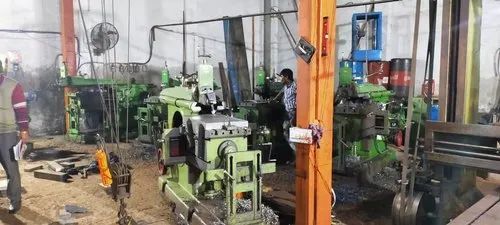
Advanced Precision Surface GrindingWe offer surface grinding for industrial blocks and plates with remarkable flatness-within 10 microns-on components up to 6 meters in length and 600 mm thick. Our state-of-the-art horizontal surface grinding machines, paired with high-volume coolant systems, guarantee outstanding dimensional stability and surface quality that meet the strictest industrial standards.
Tailored Surface Finishing SolutionsOur surface grinding services are fully customizable as per your drawing or technical specification. Using a variety of grinding wheels-CBN, diamond, and conventional-we achieve surface finishes up to 0.4 Ra, catering to specific requirements in tool rooms, mould making, precision engineering, and more. All processes adhere to ISO 2768 and DIN 876 Class 1 standards, ensuring consistent quality.
Rigorous Inspection & Quality AssuranceEvery workpiece undergoes methodical inspection with digital surface plates, micrometry, and vernier instruments to strictly maintain flatness and tolerance standards. Our commitment to quality guarantees precise results and reliability, essential for critical applications in demanding industries where accuracy and consistently high standards are paramount.
FAQ's of Industrial Blocks And Plates Surface Grinding सेवाएं:
Q: How is surface flatness within 10 microns achieved on large industrial blocks and plates?
A: Surface flatness within 10 microns is ensured through the use of high-precision horizontal surface grinding machines, advanced grinding wheels (CBN, diamond, or conventional), and a precision high-volume coolant system. Rigorous inspection using digital surface plates, vernier, and micrometry confirms the strict adherence to specified tolerances.
Q: What materials can be processed by your surface grinding services?
A: Our service accommodates steel, alloy steel, tool steel, cast iron, and other materials specified by the customer. Each material is ground with appropriate wheel type and parameters to achieve optimal finish and dimensional accuracy as required by the application.
Q: When should I consider using industrial surface grinding for my components?
A: Industrial surface grinding is ideal when high flatness, precise tolerances (up to 0.01 mm), and superior surface finishes (up to 0.4 Ra) are necessary. Typical use cases include tool room setups, mould and die manufacturing, jig and fixture production, as well as precision engineering tasks.
Q: Where can these surface grinding services be availed?
A: We offer our surface grinding services both on-site and off-site across India, ensuring flexibility to suit your project scale and logistics. Our facility is equipped to handle and process large workpieces with stringent inspection protocols.
Q: How customizable are your grinding solutions for unique industrial requirements?
A: Our services are entirely customizable to customer drawings or technical specifications. We adapt grinding wheel types, process parameters, and inspection methods to deliver results that meet or exceed ISO 2768 and DIN 876 Class 1 standards, perfectly matching your project's demands.
Q: What benefits do surface grinding services add to industrial block and plate components?
A: Precision surface grinding enhances flatness, dimensional accuracy, and surface quality, improving component functionality. It extends the lifespan of tools, molds, and fixtures, facilitating superior performance and easier assembly in end applications.
Q: What is the minimum and maximum workpiece size you handle?
A: We process individual workpieces with thickness capacities up to 600 mm and lengths up to 6000 mm. There is no minimum length, and projects may start with as little as a single piece, making our solution flexible for prototypes, small batches, as well as large-scale runs.